

 Back to Blogs
How Does Roof Ventilation Help Regulate Attic Temperature?
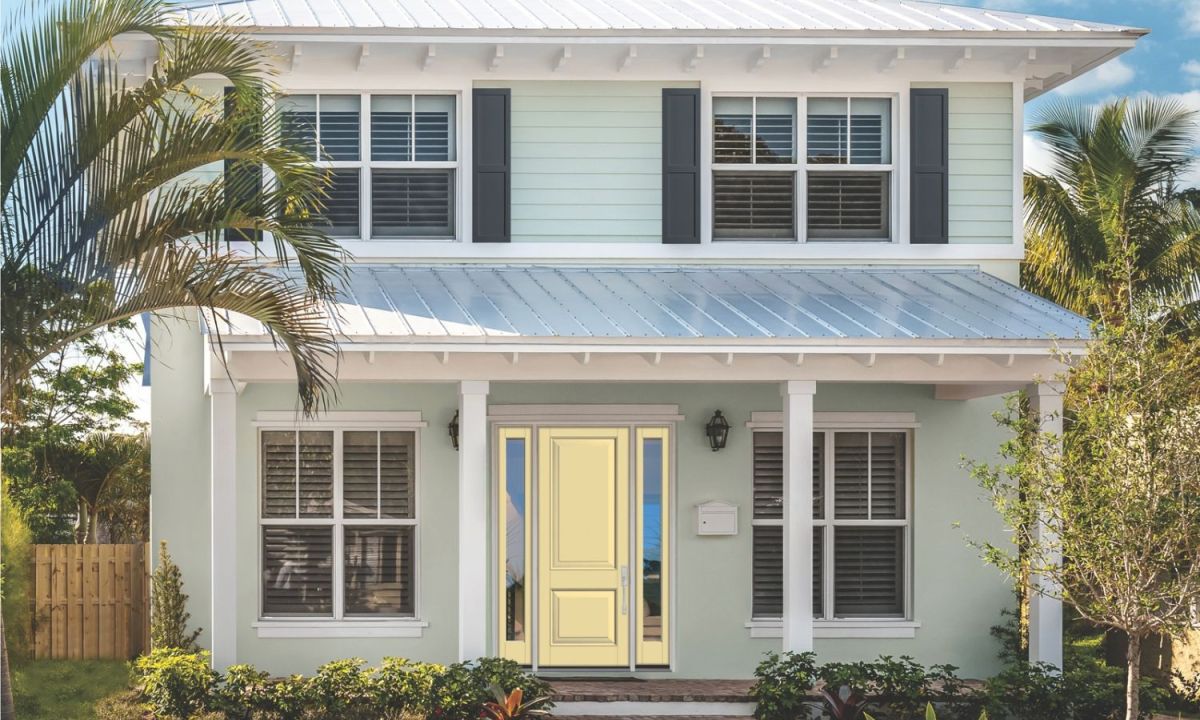
The attic is one of the areas of a home most exposed to temperature changes. In summer, sunlight heats the roof throughout the day, and much of that heat reaches the space underneath. In winter, differences between indoor and outdoor temperatures can cause moisture to collect on cold attic surfaces. Both conditions can affect the home if the attic lacks adequate airflow.
In a vented attic, roof ventilation helps manage these changes by letting hot, humid air escape and allowing outdoor air to enter. This article focuses on vented attics; properly designed unvented attics use a different approach to insulation, air sealing, and moisture control. This process helps control attic temperatures and moisture levels. It also helps protect the roofing materials and the structure beneath them.
What Happens Inside an Attic Without Proper Ventilation?
An attic with poor airflow will hold the heat for a long time. In summer, the roof absorbs solar heat, which then conducts through the roof deck and into the air underneath. If that air can't escape, then the temperatures will keep building up. Some of that heat will then conduct through the attic floor and into the upper-level rooms.
Moisture can be another issue, particularly in the winter. Warm air from within the house can enter the attic through small gaps and then condense on cold surfaces. Over time, this can lead to deterioration of the insulation and of the wood.
How Does Roof Ventilation Control Attic Temperature?
The system operates via two basic openings: intake vents and exhaust vents. The intake vents bring in the outside air into the attic (typically through the lower part of the roof). The exhaust vents allow the warmer air to escape (typically from near the peak of the roof).
As warm air is drawn towards the exhaust openings, fresh air is drawn in via the intake vents. This creates an airflow path under the roof deck, and instead of trapping heat, the system helps carry it out. For that to work, the intake and exhaust openings must be the right size and properly balanced.
Why Is Airflow Important During Summer?
An attic can get a lot hotter than the outside temperature on a sunny day. The roof absorbs heat, and the air underneath it heats up. Without ventilation, that heat can stay in there long after the sun starts to go down.
Air movement helps to shed some of the accumulated heat. Fresh air drawn in via the lower vents displaces the warmer air escaping via the exhausts. This can reduce the amount of heat stored in the attic and, therefore, the amount that gets into the living areas below. Ventilation won't cool the attic the way an air conditioner would, but it will help prevent heat from becoming trapped.
Can Attic Ventilation Help Keep Upstairs Rooms Comfortable?
Rooms directly beneath an attic can end up warmer because the attic space above holds so much heat. The ceiling becomes a surface through which some of that heat can radiate, adding to the load on the cooling system.
Better airflow can help tackle heat buildup at the source. Ventilation is only one element of the solution, though. Adequate attic insulation, sealed air leaks, and well-maintained windows all help minimize heat transfer. If the upstairs rooms are still uncomfortable, those areas may also need attention.
Why Does Attic Ventilation Matter in Winter?
Cold weather is a different ball game. Warm air inside the house naturally rises, and some of it will find its way into the attic through gaps around lights, ceiling voids, and attic access doors. Moisture in that air can condense if the roof deck is cold enough relative to the air's moisture content.
A properly ventilated attic will allow humid air to escape rather than get trapped. It helps keep conditions under the roof drier. Ventilation is not a substitute for sealing air leaks. Just as important as ventilation is reducing the amount of warm, moist indoor air that gets into the attic.
How Does Ventilation Help Manage Moisture?
Moisture that keeps collecting on attic surfaces will damage the insulation and the wood roof components. In some cases, it can contribute to the development of mold and rot.
Ventilation helps remove humid air and reduces the opportunity for moisture to build up. Homeowners should also check for roof leaks, plumbing leaks, and bathroom exhaust fans venting into the attic. Fix these at the source, as simply adding vents will not solve the problem.
Which Types of Vents Help Maintain Attic Airflow?
The type and placement of vents depend on the roof's design. Each opening has a specific role in moving air through the attic.
Common options include:
- Soffit Vents: These sit beneath the roof's eaves and allow fresh air to enter from below.
- Ridge Vents: Installed along the roof ridge, they provide an outlet for warmer attic air.
- Gable Vents: Located near the upper sections of exterior gable walls, these openings allow air to move through the attic.
- Roof Vents: Installed on the roof surface to provide additional exhaust openings.
The goal is not simply to install more vents. Intake and exhaust openings must work together so air can move through the attic without unnecessary restrictions.
How Does Window World of Chattanooga Address Roof Ventilation?
Window World of Chattanooga offers the CertainTeed Integrity Roofing System®, which includes ventilation as part of its roofing components. The system uses CertainTeed ridge vents along with sufficient intake ventilation, such as CertainTeed Intake Vents or soffit vents.
This arrangement provides a path for fresh air to enter and warmer air to leave the attic. It helps manage summer heat and winter moisture as part of the overall roofing system.
What Are the Signs That Your Attic Needs Better Ventilation?
Ventilation problems are not always visible from outside the house. However, a few conditions inside the attic may point to an airflow issue.
Look for:
- An unusually hot attic during summer.
- Condensation on the underside of the roof deck.
- Musty smells or visible mold.
- Damp or damaged insulation.
- Moisture-related deterioration of wooden components.
These signs can also result from leaks or poor air sealing. An attic inspection can help identify the cause before you make any ventilation changes.
Give Your Roof the Airflow It Needs
For a home with a vented attic, properly designed ventilation is an important part of the roofing system. It helps release summer heat and manage moisture during colder months. The right combination of intake and exhaust vents allows air to move through the attic as intended.
If you are planning a full asphalt-shingle roof replacement, Window World of Chattanooga offers the CertainTeed Integrity Roofing System. Contact our team to discuss your roofing options and request a free quote.
Frequently Asked Questions
-
It can help reduce heat buildup in the attic, which may limit heat transfer into rooms below. Insulation, windows, air sealing, and the cooling system also influence indoor temperatures.
-
For an attic designed to be vented, vents should generally remain unobstructed year-round to help manage heat and moisture. Properly designed unvented attics do not use this same ventilation approach.
-
Yes. Adding vents without regard to existing intake and exhaust openings can disrupt airflow. The system should match the roof design and ventilation requirements.
-
No. Ventilation helps remove damp air, but you also have to address leaks and air escaping from the living areas. Insulation and air sealing are both important elements of moisture control.