

 Back to Blogs
What Are the Different Parts of a Residential Roof?
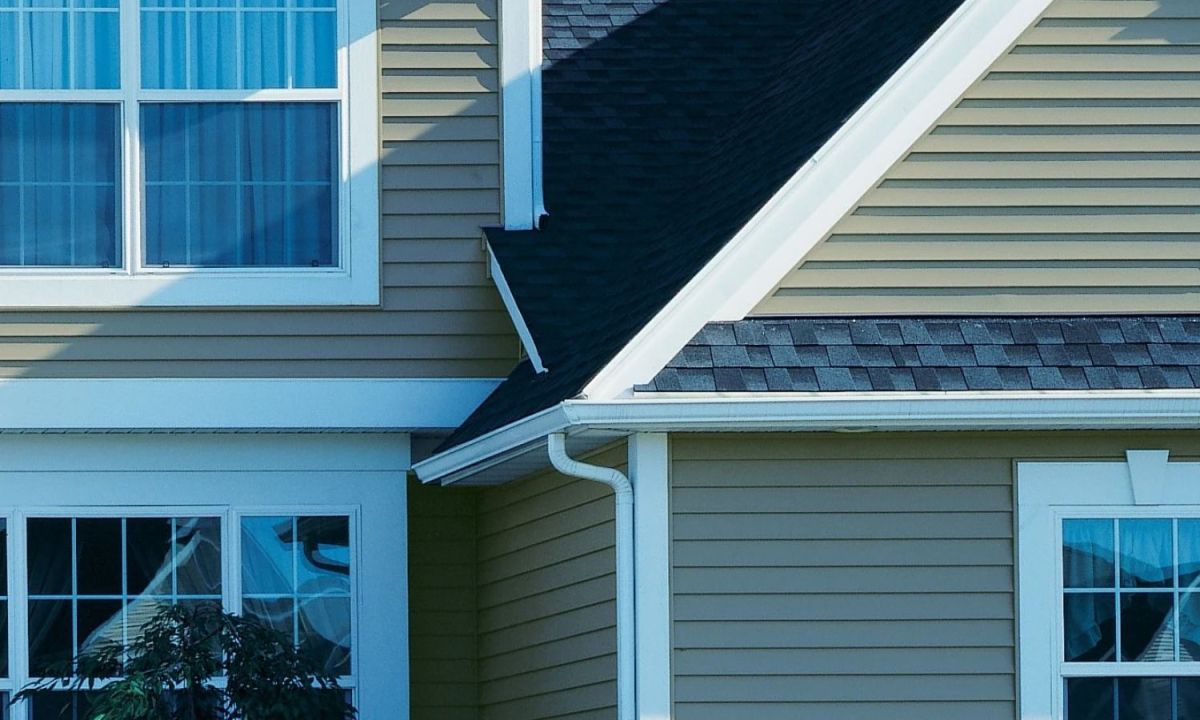
A residential roof consists of several components that work together to protect a home from rain, wind, sunlight, and changing temperatures. Although shingles are the most visible part, they are only one layer of a complete roofing system. The structure underneath, protective materials, drainage features, and ventilation all contribute to how well a roof performs.
Understanding the different parts of a roof helps homeowners recognize what goes into a complete roofing system.
Here is a closer look at the main elements of a residential roof and what each one does.
1. Roof Decking: The Foundation of the Roofing System
Roof decking (also known as roof sheathing) is the flat surface that's fixed to the roof framing. It's the surface on which the underlayment and shingles are laid. Most residential roofs will use either plywood or OSB (oriented strand board) for the decking.
The decking supports the roofing materials and forms part of the system that distributes the roof's weight. It also provides a solid platform for installing the roof. Damaged decking or structural concerns must be evaluated before new roofing materials are installed. Any necessary preparation and responsibility for that work will be discussed before installation.
2. Roof Underlayment: An Additional Layer of Protection
Underlayment is a protective material laid over the roof deck and under the shingles. It provides an extra barrier against moisture that may get through the outer roofing layer. The shingles themselves are the main weatherproofing surface; the underlayment provides an additional layer of protection for the roof deck.
There are different types of underlayment, including:
- Water-Resistant Underlayment: Covers the roof deck and acts as a secondary barrier against moisture.
- Waterproofing Underlayment: Provides added protection in vulnerable areas, particularly where wind-driven rain or ice dams may be a concern.
Both types serve different purposes and help the roof manage water exposure.
3. Roofing Shingles: The Outer Protective Layer
Shingles are the visible roof covering that goes on most sloped residential roofs. They shed rain, protect the underlying materials from the weather, and add to the look of the house.
Asphalt shingles are the most common form of residential roof covering. They're available in a range of colors, designs, and construction styles, so you can choose one that suits your property.
Shingles are laid in overlapping rows so that the water runs down the roof rather than collecting underneath the shingle. Their performance depends on the selected shingles, proper installation, the supporting roofing components, and weather exposure.
4. Starter Shingles: Securing the First Row
Starter shingles are fitted along the lower edges of the roof before the main shingles. They provide a good base for starting the first course of shingles and help establish the correct pattern of the outer layer of the roof.
These strips are used with the shingles installed above them and help provide a sealed edge, which can reduce the risk of wind-driven rain getting underneath the first row.
5. Roof Flashing: Protecting Vulnerable Connections
Flashing consists of protective materials, commonly metal, installed around areas where the roof meets another surface or structure. These locations can be more vulnerable to water entry because they interrupt the otherwise continuous roofing surface. Flashing helps direct water away from these joints and toward the roof's drainage paths.
6. Roof Valleys: Channels That Direct Rainwater
A roof valley is where two sloping roof sections meet, forming a channel that collects rainwater running off both sections and directs it to the lower edge of the roof.
Valleys carry a lot of water when it's raining, and so their construction and the provision of a covering are vital. The method of dealing with the valley depends on the roof type and may involve metal flashing or a specific shingle installation method to direct water down.
7. Roof Ridge and Hip: Defining the Roofline
The ridge is the highest horizontal point where two sloping roof sections meet. A hip is an external angle formed where two roof slopes join and extend downward toward the roof's edges.
Both features shape the roof's appearance. They also require appropriate finishing materials to protect the exposed intersections.
Ridge and hip shingles or accessories provide a finished appearance while covering these roofline areas.
8. Roof Ventilation: Managing Attic Airflow
In a vented attic, roof ventilation allows air to move through the attic space. A properly designed ventilation system helps release warm, moist air and supports a healthier airflow balance beneath the roof deck.
Most residential systems use a combination of intake and exhaust vents. Intake vents commonly sit near the lower roof edges, while ridge vents allow warm air to escape near the roof's highest point.
This airflow can help keep the attic cooler during summer and drier during winter.
9. Fascia and Soffit: Finishing the Roof Edges
Fascia and soffit are two exterior components found around the edges of many residential roofs. They are positioned differently and serve different functions, but they work together to complete the roofline.
- Fascia: This is the vertical board along the lower edge of the roof. It provides a finished appearance and commonly supports the gutter system.
- Soffit: This is the material covering the underside of the roof overhang. It protects the exposed area beneath the roof edge and may contain intake vents that support attic airflow.
Together, these components help protect the roof's edges while contributing to the home's overall exterior appearance.
How Do These Roof Components Work Together?
Each component has a specific function, but a residential roof depends on all its layers working together. Shingles provide the outer covering, underlayment adds moisture protection, and decking supports the roofing materials. Flashing protects vulnerable connections, while starter shingles and ridge accessories help complete the installation.
Ventilation manages attic airflow, and the roof's edges connect with fascia, soffits, gutters, and downspouts to support drainage. If one component is missing or installed incorrectly, it can affect the performance of other layers.
Understanding the Roofing System Offered by Window World of Chattanooga
Window World of Chattanooga offers the CertainTeed Integrity Roofing System, which combines multiple roofing components into one coordinated system. Rather than relying on shingles alone, this system brings together protective layers, ventilation, and finishing accessories.
Planning a full asphalt-shingle roof replacement? Contact Window World of Chattanooga to discuss the available roofing options and request a free quote.
Frequently Asked Questions
-
No single component does all the work. The roof decking provides the foundation, underlayment adds moisture protection, and shingles form the outer covering. Ventilation, flashing, and drainage components also contribute to the roof's overall performance.
-
A ridge is the highest horizontal line where two roof slopes meet. A hip is an external angled intersection where two sloping roof sections join and extend toward the roof's edges.
-
Roof ventilation allows air to circulate through the attic. It helps release excess heat and moisture, keeping the attic cooler in summer and drier in winter.
-
Gutters are generally considered part of the home's exterior drainage system. They connect with the roof's lower edges and collect rainwater, while downspouts direct it away from the foundation.