

 Back to Blogs
Double Pane Windows: How They Work and What Makes Them Efficient!
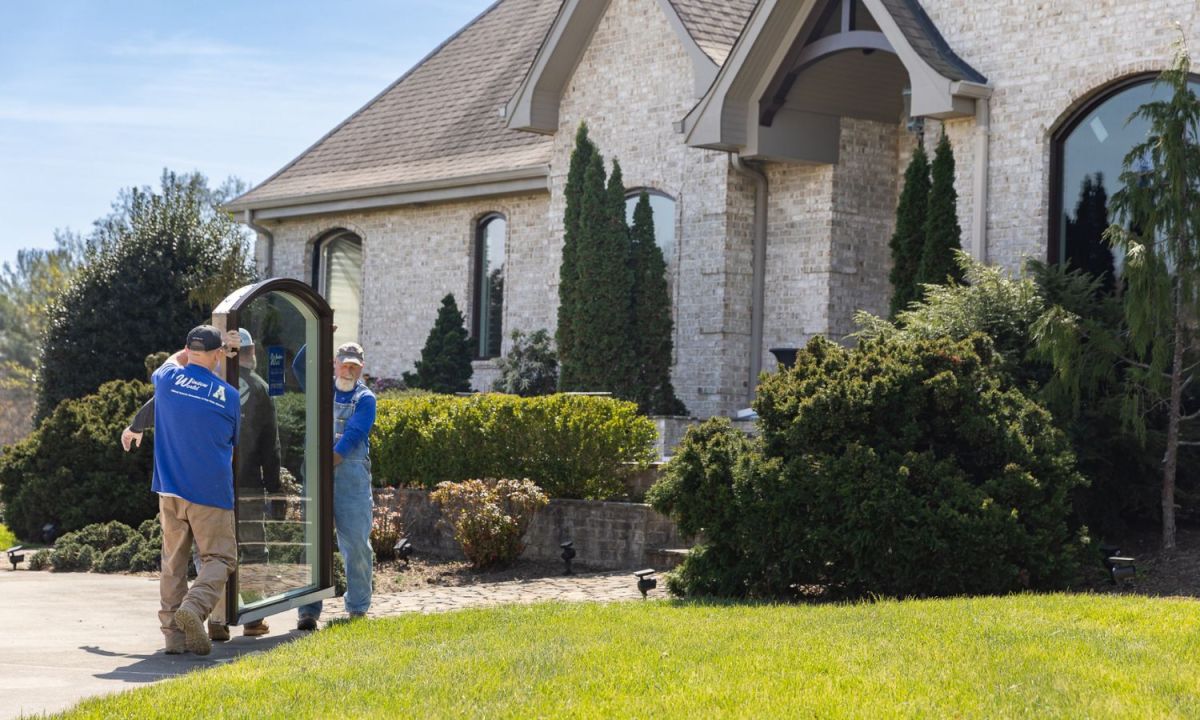
Double pane windows are windows with two sheets of glass separated by a sealed gap, and that gap is what slows heat from moving in or out of your home. Think of it as a thin layer of insulation you can see through. This guide explains what the design looks like, how each part does its job, and which features separate an average unit from a truly efficient one. If you have ever stood near a window in January and felt a chill that had nothing to do with an open door, keep reading.
What Are Double Pane Windows?
A double pane window, also called a dual-pane or double-glazed window, is built as a sealed unit. Two panes of glass sit inside the frame, held apart by a spacer around the edges. The space between them is sealed airtight, so moisture and dust stay out.
That sealed unit is often called an insulated glass unit, or IGU. A single pane of glass has an R-value of roughly 1, while a typical double pane windows unit lands around 2. In simple terms, it resists heat flow about twice as well before any coatings or gas are added.
Here are the main parts you will find in most units:
- Two glass panes: the outer pane faces the weather, and the inner pane faces your room.
- A spacer: a strip that keeps the panes at a fixed distance and holds the seal.
- A sealed air space: often filled with argon gas instead of plain air.
- A Low-E coating: a thin, invisible layer applied to one glass surface.
- A frame: vinyl, wood, fiberglass, or aluminum, which affects both insulation and upkeep.
How Do Double Pane Windows Work?
Heat moves in three ways: conduction (touching), convection (moving air), and radiation (waves, like warmth from the sun). The design of double pane windows interrupts all three.
On a cold day, the outer pane cools down first. The gap between the panes slows the trip of that cold toward the inner pane, so the glass facing your room stays closer to room temperature. That is why a good unit feels less icy when you stand beside it.
In summer, the process runs the other way. The sealed space slows outdoor heat from reaching your indoor glass, which helps your air conditioner cycle less often.
Here is what that looks like in daily life:
- Fewer cold drafts near the glass in winter
- Less condensation on the inside surface, since the inner pane stays warmer
- More even room temperatures from window to window
- A modest drop in street and neighborhood noise
One caution: the gap is not magic by itself. If the seal fails, the gas escapes and moisture gets in, which is when you see fog between the panes. That fog is a sign the unit has lost its insulating power.
What Makes Double Pane Windows Energy-Efficient?
Two panes give you a head start, but the real performance comes from the details around them. Three features do most of the heavy lifting.
- Low-E coatings - Low-E stands for low emissivity. It is a microscopic metallic layer on the glass that you cannot see or feel. It reflects heat back toward its source, so warmth stays inside during winter while the sun's extra heat stays outside during summer. Some coatings also cut the ultraviolet rays that fade carpets, curtains, and furniture. Window World, for example, says its SolarZone glass packages reduce that fading by over 75%.
- Argon gas fill - Argon is a colorless, odorless, nonreactive gas, and it is the third most common gas in our atmosphere. It is denser than air and conducts heat more slowly, which makes it a smart filler for the gap. It is safe, and it does not need to be refilled when the seal stays intact.
- Warm-edge spacers - The edge of a window is its weak point. Older metal spacers conduct heat, which can cause cold spots and condensation along the glass edge. Warm-edge spacers use materials that conduct far less heat, so the edge of the glass stays warmer and the whole unit performs better.
Beyond the glass, the frame plays a part too. Vinyl frames resist heat transfer well and do not need painting. Double-hung designs add another practical bonus, since both sashes tilt inward for cleaning from inside the house.
Bottom Line
Double pane windows earn their reputation through teamwork: two panes, a sealed gap, argon gas, a Low-E coating, and a warm-edge spacer all slow heat in both directions. Check the NFRC label, look for ENERGY STAR certification, and match the glass package to your climate. The result is a home that feels steadier, quieter, and cheaper to heat and cool.
If you are in Ohio and want to see these features in person, Window World of the Heartland offers energy-efficient replacement windows with insulated glass and can walk you through your options. Request a free quote now.
Frequently Asked Questions
-
Yes, for most homes. They resist heat flow about twice as well as single pane glass, cut drafts and condensation, and can lower heating and cooling costs.
-
Quality units typically last 20 to 30 years, depending on the frame material, installation, and how well the seal holds up.
-
It is usually argon, a safe, colorless, nonreactive gas that insulates better than regular air. Some premium units use krypton.
-
Hold a pen tip against the glass and look for two separate reflections, or check the edge of the glass for a spacer between two layers.
-
Fog between the panes usually means the seal has failed and moisture has entered the gap. The unit loses insulating power, and the glass usually needs replacing.