

 Back to Blogs
Glass Front Doors: Privacy, Light, and Security!
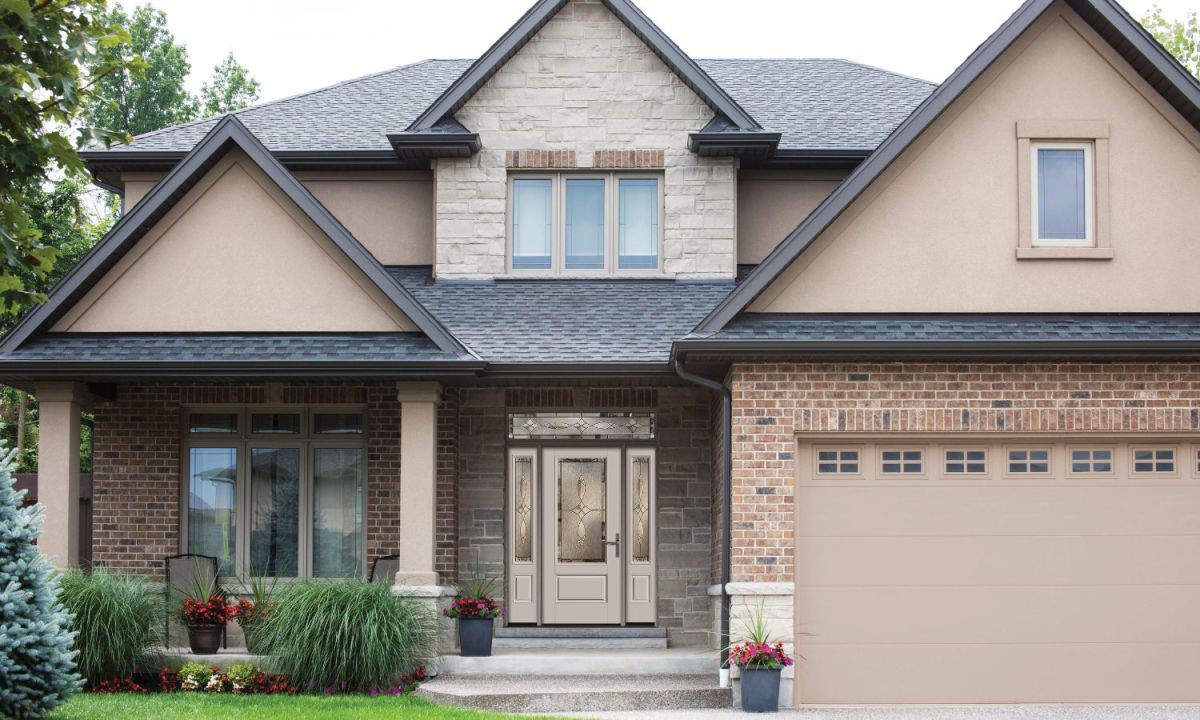
A glass front door can brighten a dark entryway, keep neighbors from seeing inside, and still withstand Ohio weather, but only when you choose the glass style, door material, and hardware together. The glass pattern controls privacy. The door skin and insulation control energy use. The lock and frame control security. Pick one without the others, and the door will usually disappoint. This blog post explains how each piece works so you can judge a glass front door on its merits. Read on to learn more.
How Do Glass Front Doors Balance Privacy and Natural Light?
They balance the two by letting you choose how much of the glass is clear, textured, or decorative. A full lite panel lets in the most daylight. A half lite or three-quarter lite keeps the glass higher on the door, which limits sight lines at eye level. Textured or patterned glass scatters the view while still passing light.
Most homeowners get this wrong in one of two ways. They pick clear glass for a door that faces the street, then hang a towel over it. Or they pick a solid door and end up with a dark hallway. Matching the glass to the room behind it avoids both problems.
Here are the main glass choices worth comparing:
- Privacy glass: Textured styles such as Blanca, Cumulus, Obscure, Rain, Vapor, Chinchilla, and Karma blur shapes while still letting daylight through.
- Decorative glass: Patterned styles such as Waterside, Monterey, Nouveau, Majestic, and Topaz add character and soften the view from outside.
- Internal blinds: Blinds sealed between the glass layers open and close without collecting dust or tangling in the door.
- Grids: Glass with grids breaks the panel into smaller sections for a classic or prairie look.
Sidelites and transoms extend the same idea. A sidelite is a narrow glass panel beside the door. A transom sits above it. Together, they bring in daylight without making the door mostly glass, which helps when the front entry faces a busy sidewalk.
Do a quick test before you commit. Stand outside at dusk with the hall light on and see what a neighbor sees. Glass that looks private at noon can turn transparent after dark, because the lit interior flips the effect.
Are Glass Front Doors Secure and Energy-Efficient?
Yes, a well-built glass entry door can be both, but the answer depends on the door material, the glass package, and the locking hardware rather than the glass alone. The glass in an exterior door is not the weak point people assume. Building codes generally require safety glazing in door glass, which is designed to resist breaking into sharp shards. Intruders usually go after the lock and the frame.
That puts the spotlight on hardware. Multi-point locking systems secure the door at several spots along the edge instead of one. Look for a quality deadbolt, a strike plate screwed deep into the framing, and a solid frame. A peepsite or an electronic lockset adds convenience, and a kickplate protects the lower panel from scuffs.
For energy performance, the door skin matters as much as the glass. Fiberglass skins resist rot, warping, twisting, and bowing like wood, and they do not dent or rust like steel. Insulated cores raise the R-value, which measures resistance to heat flow. Window World of the Heartland lists its smooth and woodgrain fiberglass doors at up to four times the insulation value of wood.
When you compare glass packages, two numbers on the label are worth reading:
- U-factor: How much heat escapes through the door. Lower is better in cold climates.
- Solar heat gain coefficient (SHGC): How much sun heat comes through the glass. Lower numbers help in summer, higher numbers can help in winter.
Look for NFRC-rated numbers and ENERGY STAR certification where it applies. A door that feels cold near the glass in January or leaves a hot patch of floor in July is usually telling you the glass package or the weatherstripping needs attention.
One more point on moisture. Edge-to-edge moisture protection keeps water from creeping into the door core, which is a common failure for older wood doors near the bottom rail.
What Should You Consider Before Choosing a Glass Front Door?
Start with how the entry actually gets used, then work outward to style. A door that suits a quiet porch may not suit a front stoop ten feet from the street.
Use this checklist when you shop:
- Privacy needs: Decide which rooms the door looks into. A foyer, a stairwell, and a living room each call for different glass.
- Light goals: Full lite doors maximize daylight. Half lite and three-quarter lite doors balance light and privacy.
- Door material: Fiberglass handles Ohio freeze and thaw cycles, humidity, and sun without the upkeep of real wood. Woodgrain fiberglass gives you an oak, mahogany, or cedar look with paint or stain finishes.
- Style and color: Smooth doors take paint well. Modern doors use clean lines, bold colors, and unusual glass shapes. Woodgrain doors suit traditional and craftsman homes.
- Hardware: Check the finish, the lock type, and whether you want a keypad or electronic lockset.
- Warranty and installation: Read the warranty terms and confirm how the door will be fitted, since a good door installed poorly will still leak air.
The budget deserves a straight conversation too. Decorative glass, sidelites, transoms, and upgraded hardware all raise the price. Many homeowners get most of the benefit from a mid-range glass style, a well-insulated door, and solid locks, then add extras later.
Seeing options on your own house helps. A visualizer tool can show how a door color and glass style look against your siding and trim before you decide. That small step prevents a lot of second-guessing.
Bottom Line
A glass front door works best when privacy, light, security, and energy performance are planned as one system. Choose textured or decorative glass where the view matters, a fiberglass door with solid insulation, and multi-point locking hardware you trust. Check the U-factor and SHGC, test the privacy at night, and match the glass to the rooms behind it.
Ready to compare options? Window World of the Heartland installs entry doors for homeowners across its Ohio service area, and you can explore the entry door styles to get started.
Frequently Asked Questions
-
Yes. Door glass is typically safety glazed, and strong locks and a solid frame matter more for security than the glass itself.
-
Choose textured privacy glass, decorative glass, or internal blinds. A half lite or three-quarter lite design also limits what people can see from the street.
-
They can be. Insulated fiberglass skins, a low U-factor, and tight weatherstripping help the door hold heat in winter and block it in summer.
-
Fiberglass is a popular choice because it resists rot, warping, denting, and rust, and it holds an insulated core well.
-
Price depends on the material, glass style, sidelites, transom, and hardware. A written quote for your specific opening is the most reliable number.