

 Back to Blogs
Vinyl Siding Replacement: When and Why Homeowners Choose It!
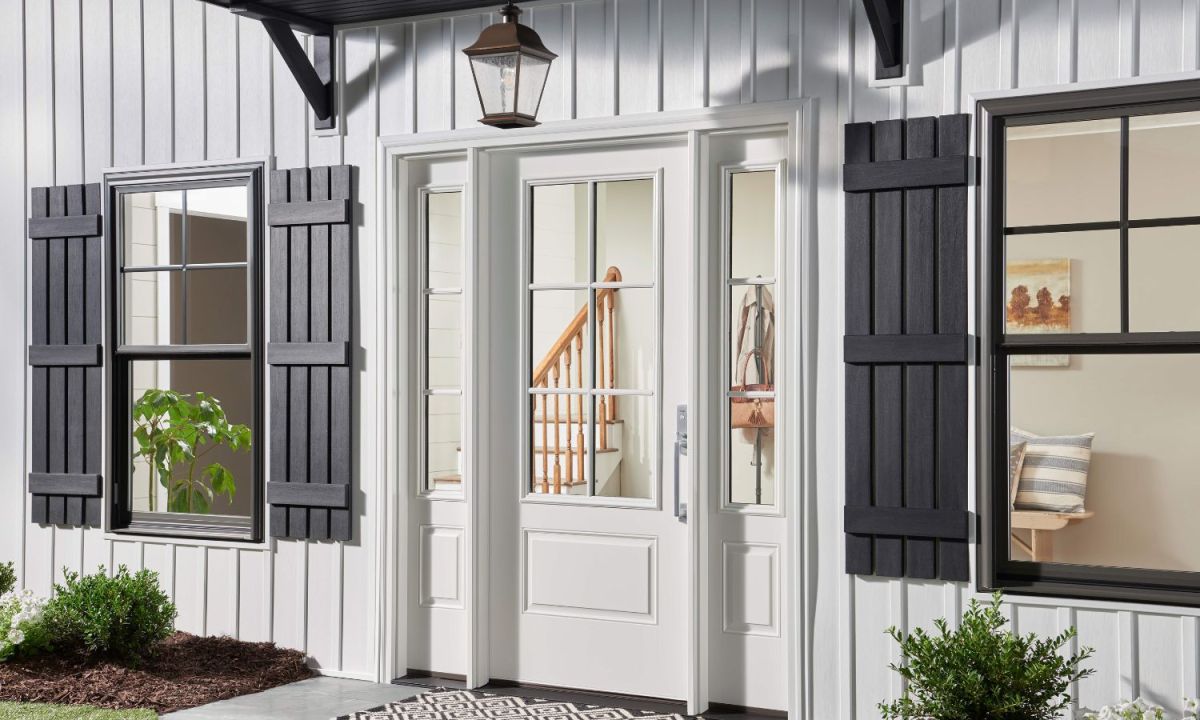
Vinyl siding replacement is worth considering when your exterior panels crack, warp, fade badly, or let moisture reach the wall behind them. Most homeowners decide to replace it after repeated repairs stop holding up. This guide covers what vinyl siding is, the clearest signs it’s time to replace it, and the reasons people choose it again and again.
What Is Vinyl Siding and Why Is It Popular?
Vinyl siding is an exterior wall covering made from PVC panels that lock together along the outside of a house. It shields the structure from rain, wind, snow, and sun, and it comes in many colors and profiles.
Its popularity comes down to a few practical points:
- It needs no repainting or staining.
- It resists rot and does not attract wood-boring pests the way real wood can.
- It cleans up with a garden hose and a soft brush.
- It comes in styles like clapboard and wider panels, so it suits both traditional and modern homes.
- Product lines usually step up in thickness, color range, and performance, which lets homeowners match the material to a budget.
For many families in colder regions, such as Ohio and the wider Midwest, that mix of low upkeep and steady performance through freeze and thaw cycles is the real draw. Quality vinyl siding also gives older houses a fresh, uniform look without changing their basic character.
When Should You Consider Vinyl Siding Replacement?
Siding rarely fails all at once. It gives hints first, and they're easy to miss from the driveway. Walk the full perimeter of your house and look for these warning signs:
- Cracked or split panels - Hail, falling branches, and years of temperature swings can crack vinyl. One cracked panel is being repaired. Many of them mean the material is wearing out.
- Warping or buckling - Waves in the wall often point to heat damage or panels fastened too tightly.
- Heavy fading or chalky color - Some fading is normal. Patchy, dull, powdery siding has lost much of its finish.
- Loose or missing pieces - Wind can lift panels that have slipped out of their locks, which exposes the wall underneath.
- Moisture, mold, or soft spots - Bubbling, dark stains, or a musty smell inside can mean water is getting behind the siding. This one should never wait.
- Higher heating and cooling bills - Gaps and aging panels let more air through, so your system works harder.
- Constant patching - If you keep fixing the same walls every year, replacement usually costs less over time than repairs.
A simple rule helps here. When damage is limited to one small area and the rest of the siding is sound, repair may be enough. When problems show up on several walls, the whole system is probably near the end of its life. Do structural fixes to the walls or framing before installing new siding, so the new panels sit on a solid, dry surface.
Why Do Homeowners Choose Vinyl Siding Replacement?
People rarely replace siding for one reason alone. The decision usually combines several practical goals.
- Curb appeal - Siding covers most of what people see from the street. New panels in a clean color can change the look of the whole house, which matters if you plan to sell soon.
- Lower maintenance - Painting wood or patching old material costs time and money every few years. Vinyl trades that routine for an occasional wash.
- Better protection - Fresh, properly installed siding keeps rain and snow off the wall behind it, helping prevent hidden damage.
- Comfort and efficiency - Tight-fitting panels reduce drafts. Some product lines also add an insulating backing, which can help stabilize indoor temperatures, though results vary by home.
- Long-term value - Vinyl is built to last for decades with little maintenance, and quality installation plays a big role. A strong warranty adds peace of mind. For example, Window World of the Heartland backs its siding work with a Lifetime Limited Warranty, with restrictions that may apply.
- Choice - Homeowners can compare product lines by budget, color range, and strength, then preview the result before committing.
One practical tip: ask for an itemized quote, check recent customer reviews, and avoid anyone who pushes for a same-day decision. Siding is a big investment, and you deserve time to think it through.
Bottom Line
Vinyl siding replacement makes sense when cracks, warping, fading, moisture, or rising energy bills show up across your home instead of in one spot. Homeowners choose it for curb appeal, low upkeep, protection, and long-term value. Check your walls this season, before winter weather exposes any weak spots.
If you’re in Ohio’s Heartland region and want help comparing siding options, Window World of the Heartland offers free quotes. Contact us
Frequently Asked Questions
-
Replace it when you see widespread cracking, warping, heavy fading, loose panels, or moisture behind the walls. You can often repair a few damaged pieces.
-
Properly installed vinyl siding can last decades with minimal maintenance. Actual lifespan depends on product quality, installation, and local weather.
-
Usually, yes, especially when damage is widespread or repairs keep recurring. It improves appearance, protects the walls, and cuts ongoing upkeep.
-
It’s possible, but poor installation can cause gaps, moisture problems, and warranty issues. Professional installation is the safer choice.
-
It can, because tighter panels reduce drafts. Insulated options may help more, but savings vary by home.
-
Fix any structural damage to the walls or framing first so the new siding goes on a solid, dry surface.