

 Back to Blogs
What a Good Roofing Estimate Should Include?
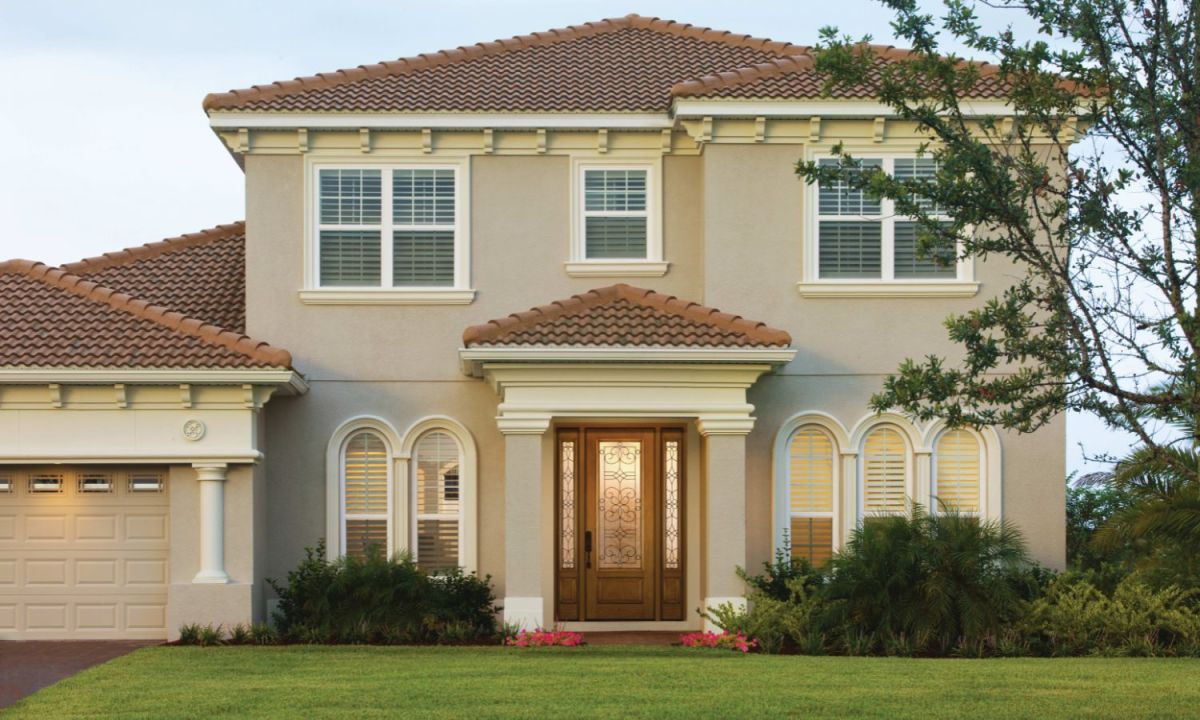
A good roofing estimate is a written document that lists the materials, labor, total price, timeline, warranty, and payment terms for your roof project. If any of those pieces are missing, the number at the bottom tells you little. Think of it as a contract preview. It shows how a contractor plans to work on your home and how they will handle surprises. A one-line quote on the back of a business card does neither. This blog post covers what belongs in a detailed estimate, which warranty and payment terms deserve a second look, and how to compare bids without getting lost in the math. Read on to learn more.
What Details Should a Roofing Estimate Include?
Start with the basics. The estimate should list your name, your property address, the contractor's legal business name, license or registration details where your state requires them, and proof of insurance. It should also show the date and how long the price stays valid.
Next comes the scope of work. This is where vague estimates fall apart. A solid roofing quote spells out whether the job is a full tear-off or a layover, how many layers of old shingles are coming off, and how the contractor will handle damaged decking.
Here is what a thorough estimate usually covers:
- Roof measurements - Roofers measure in "squares," and one square equals 100 square feet of roof surface. The estimate should state the total squares, plus the pitch and any steep or complicated areas that add labor.
- Roofing materials- Look for the exact shingle brand and product line, not just "architectural shingles." The color should be named too.
- Underlayment - This layer sits between the deck and the shingles and helps block water from reaching the wood.
- Ice and water protection - In cold climates, ice damming is a real source of leaks. The estimate should say where this membrane goes, such as eaves, valleys, and around vents.
- Flashing and drip edge - These metal pieces guide water away at chimneys, walls, skylights, and roof edges. Old, rusted flashing often causes leaks, so the estimate should state whether it will be replaced or reused.
- Roof ventilation - Proper attic airflow helps manage heat and moisture, which affects shingle life and mold risk. Ridge vents, soffit vents, or other parts should be listed.
- Tear-off and disposal - Hauling away old material takes time and dumpsters. It should appear as a line item or be clearly included.
- Decking repairs - Rotted plywood is often found only after the old roof is off. A good contractor explains how they'll price it, usually per sheet.
- Permits and cleanup - Local permit fees, magnetic nail sweeps, and yard cleanup should be mentioned, not assumed.
The more specific the list, the easier it is to hold everyone to the same plan later.
What Warranties, Payment Terms, and Additional Costs Should You Check?
Most homeowners look at the price first, then the paperwork. Flip that order. The fine print is where a fair roof replacement cost turns into an expensive surprise.
- Warranties come in two layers-
The manufacturer warranty covers the shingles and sometimes the matching components. The workmanship warranty covers the installation, and it comes from the contractor, not the factory. Ask for both in writing, and ask how long each lasts.
A roof warranty can also have conditions. Some manufacturers offer stronger coverage when the full system is installed together, meaning shingles, underlayment, starter strips, ventilation, and ridge caps from the same line. Mixing random parts can limit what the warranty covers. Also ask whether the warranty transfers if you sell the house. That detail matters to a future buyer.
- Keep payment terms simple and fair -
Check these points before signing:
- Deposit amount - A modest deposit to secure materials is common. A demand for most of the money upfront is a red flag.
- Payment schedule -The balance should be tied to clear milestones, such as delivery of materials or job completion.
- Accepted payment methods - Know whether checks, cards, or financing are accepted, and whether any fees apply.
- Cancellation rights - Sales made at your home often come with a short cooling-off period. Ask how it works and get it in writing.
- Additional costs deserve their own paragraph -
Hidden extras are the number one reason final bills run higher than the estimate. Ask directly about change orders, which are written updates to the price when the scope changes. Ask what happens if the crew finds rotted decking, damaged fascia, or poor attic ventilation.
Also ask about weather delays, skylight or chimney work, gutter detachment, and satellite dish removal. None of these is unusual. They just need a price or a plan before work starts.
How Can You Identify and Compare Roofing Estimates?
Getting at least three written bids is a smart habit. One number alone has no context, and two can leave you guessing. Three show you the range.
But do not simply pick the lowest one. A bid that sits far below the others often leaves something out, such as underlayment, ventilation, or proper flashing. Lower materials or thinner coverage can also hide behind a friendly price.
Use this quick method to compare:
- Line up the scope - Make sure every bid covers the same tear-off, the same square footage, and the same repair assumptions.
- Match the materials - Compare shingle lines and underlayment type, not just brand names. Two products from one manufacturer can differ in thickness, wind rating, and warranty.
- Compare warranties side by side - Length, coverage, and transfer terms should all be on the table.
- Check the contractor's background - Look at years in business, local reviews, licensing where required, and proof of liability and workers' compensation insurance.
- Read the tone - A contractor who answers questions plainly and puts promises in writing is usually the one who will communicate during the job, too.
If two bids differ by a large amount, ask both contractors to explain why. The answer often reveals the gap, whether it is material quality, crew size, or a missing line item.
One more tip. If you are filing an insurance claim, remember that an insurer's estimate and a contractor's estimate are not always the same document. Ask the contractor to explain any differences in scope or pricing.
Bottom Line
A strong roofing estimate is specific, written, and complete. It names the materials, measures the roof, lists the labor, explains the warranties, and lays out payment terms in plain English.
Treat every vague line as a question you should ask now, not after the shingles are on. Compare at least three bids on equal terms, weigh the warranty as heavily as the price, and choose the contractor who can explain each line without hesitation.
If you are planning a roof project in Ohio's Heartland region, Window World of the Heartland offers roofing systems with free quotes and financing options for approved credit. Get a free quote now.
Frequently Asked Questions
-
Most reputable roofers provide a roofing estimate for free. Be cautious if a contractor wants payment just to look at your roof, and ask whether that fee is credited toward the job.
-
Many estimates stay valid for 30 to 60 days, because material prices can change. The expiration date should be printed on the estimate.
-
No. An estimate is a projected price and scope, while a contract is the signed agreement that makes those terms binding. Make sure the contract matches the estimate line by line.
-
An estimate is an informed approximation that can shift if conditions change, while a quote is usually a fixed price for a defined scope. Always ask which one you are receiving.
-
Roof size, pitch, material choice, the number of layers being removed, and decking repairs drive most of the cost. Roof shape and access also change labor time.